is a medical laboratory professional.
We’re here for you, our patients. Through every step of your health care journey. Every day. And all through the night.
For medical laboratory professionals, it’s more than a job. It’s a calling. These health care workers are behind every medical laboratory test result, dedicating their days to patients they don’t always get to meet.
But now, the #BehindEveryPatient campaign is introducing 35 communities across Canada to the medical laboratory professional behind their care.
With pamphlets that feature the inspiring stories of lab professionals being delivered to every mailbox in their community, each pamphlet introduces the professional to the patients they care for.
Select a pamphlet below and meet the people #BehindEveryPatient.
The work done in the lab is often unseen, but each of the millions of tests performed by medical laboratory professionals is vital to your care.
Host Andrew Chapman brings you behind the scenes for an inside look at how medical laboratory professionals take care of your health in the lab!
There are different specializations within the profession. Medical laboratory professionals are trained to have the right knowledge and skills to perform duties specific to their roles. Here are the four specialized roles of medical laboratory professionals.

Medical laboratory technologists, or MLTs, analyze samples, such as tissues and body fluids, to provide results for physician diagnosis and treatment. MLTs specialize in several areas:

Diagnostic Cytology Technologists are health professionals that analyze cellular changes that can determine the presence of specific diseases. Mostly through the use of slides under a microscope, diagnostic cytology technologists are able to detect pre-cancerous cells. An abnormal finding would be sent to a pathologist for a final diagnosis.

Clinical Genetics Technologists use a variety of instruments to analyze and diagnose changes or abnormalities in chromosomes and DNA, which are unique to every individual. A genetics technologist's analysis of these cells can lead to a diagnosis of genetic diseases.

Medical Laboratory Assistants (MLAs) work under the supervision of a Medical Laboratory Technologist (MLT), performing the practical components of sample analysis. MLAs sort, prepare and sometimes process samples that will be tested and analyzed by an MLT. MLAs often collect samples, such as blood, and are often the laboratory professionals that interact directly with patients.
Hundreds of millions of lab tests are performed every year in Canada. Medical laboratory professionals run these tests to provide critical information about your health. Get a deeper look at how these tests inform patient care, why they are done and how medical laboratory professionals get results.
Click below to learn more
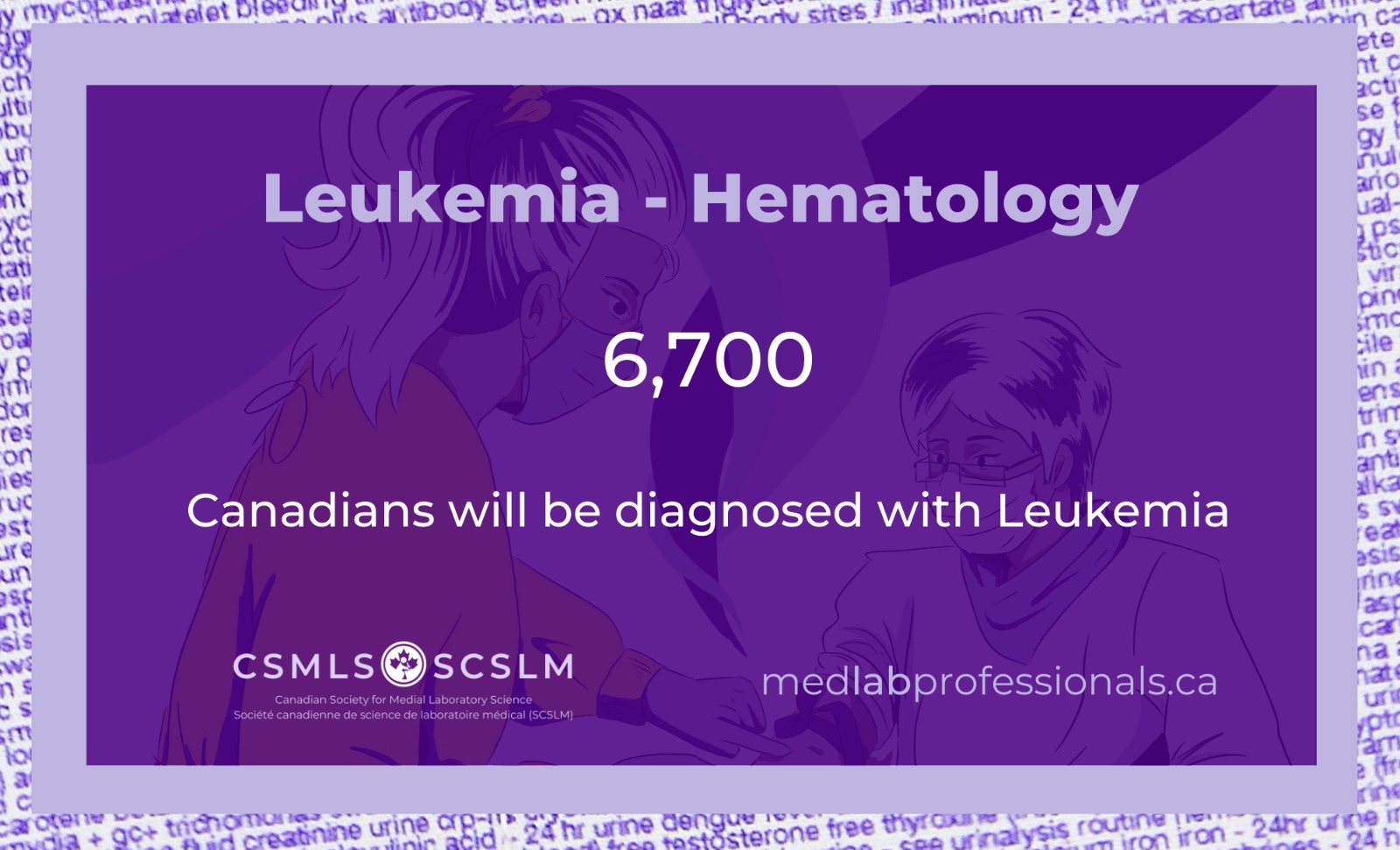





In 2019, an estimated 6,700 Canadians were diagnosed with leukemia.
Leukemia is a cancer that starts in blood stem cells. Stem cells are basic cells that develop into different types of cells that have different jobs.
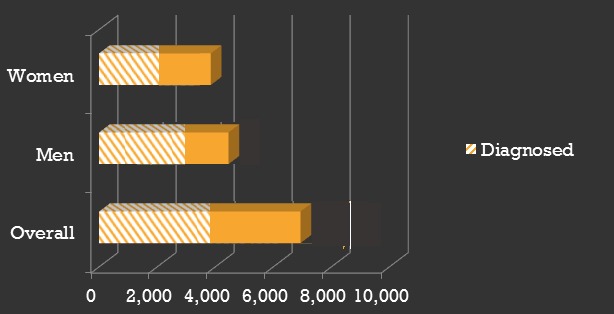
Medical laboratory technologists conduct a complete blood count (CBC) on your blood sample, which measures the number and quality of white blood cells, red blood cells and platelets. Leukemia and other conditions can cause abnormal blood cell counts.
Read More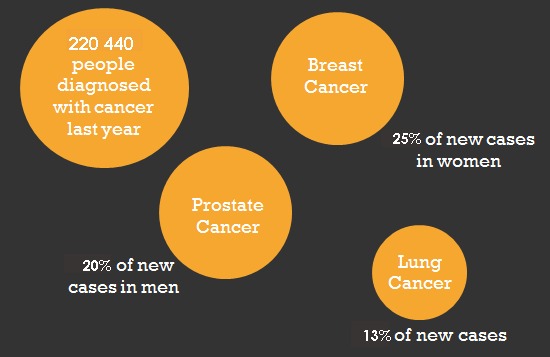
Medical laboratory technologists play a vital role in the diagnosis process. The testing done in the laboratory is key to assisting in early detection and treatment.
Read More10,000 Canadian women undergo amniocentesis each year.
Amniocentesis (also referred to as amniotic fluid test or AFT) is a test in which fetal DNA is examined for genetic abnormalities.
Laboratory professionals called Genetic Technologists analyze and diagnose abnormalities in chromosomes and DNA, which are unique to every individual. Their analysis can lead to a diagnosis of genetic diseases.
Read More
Every 60 seconds, someone in Canada needs blood.
Blood and blood products are a critical part of everyday medical care including major surgeries, medical procedures, cancer treatments and managing disease.
Medical laboratory assistants often draw blood from patients for clinical or medical testing, transfusions, donations, or research.
Medical laboratory technologists, specifically those in transfusion science, conduct blood typing and blood compatibility tests. This is vital for any blood donation and subsequent transfusions.
Read More
There are more than 75,000 genetic testing products on the market today.
Genetic testing has evolved in complexity beyond the single-gene paradigm, the genetic testing market has become similarly complex and dynamic.
These new and abundant genetic tests would be performed by Genetic Technologists, who diagnose abnormalities in chromosomes and DNA which can lead to diagnosing genetic diseases.
Read More
© 2024 Canadian Society for Medical Laboratory Science. All Rights Reserved.